
Hearing Aid Batteries Explained: Types, Lifespan and Replacement Tips
Author: Sandra Lee (BA, BSci, MClAud CCP), Victorian Hearing Audiologist
For people who rely on hearing aids every day, battery performance plays a major role in maintaining clear and consistent hearing. Understanding how batteries work, how long they last, and when they should be replaced can help you avoid interruptions and help you get the most from your device. Whether you are a new hearing aid user or have been wearing one for years, knowing more about hearing aid batteries can make daily hearing care much easier.
Understanding Hearing Aid Battery Types
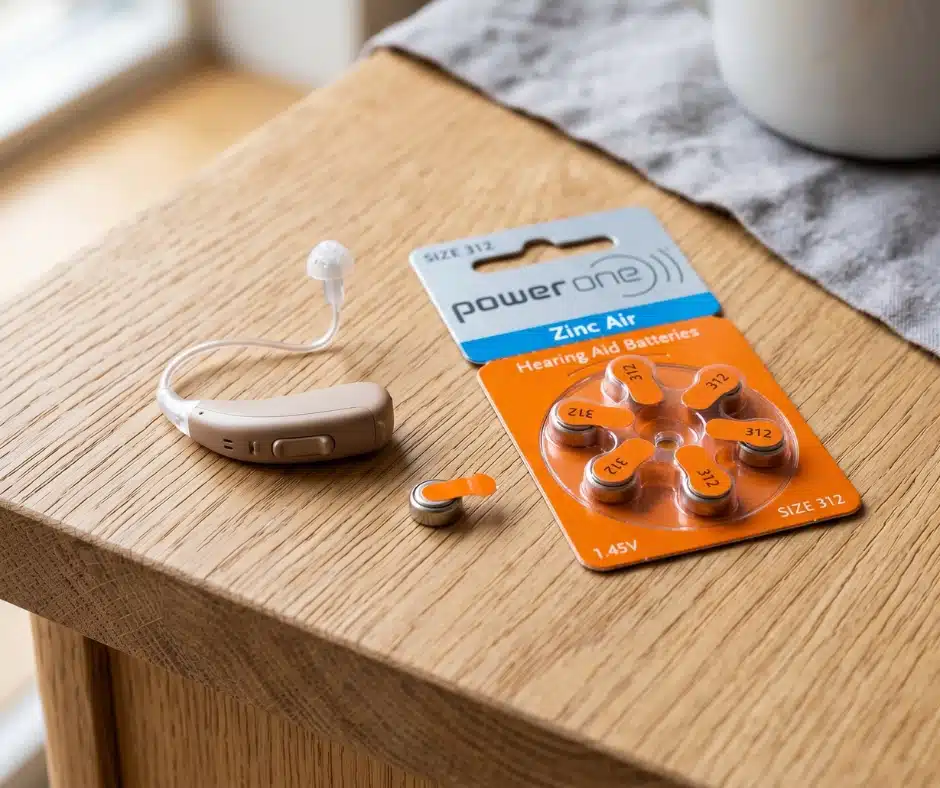
Most traditional hearing aids use zinc-air batteries, which are activated when the protective tab is removed and air enters the battery. These batteries come in several standard sizes, each identified by a colour code.
The most common battery sizes include:
• Size 10 (Yellow)
• Size 312 (Brown)
• Size 13 (Orange)
• Size 675 (Blue)
The battery size required depends on the style and power requirements of your hearing aid. Smaller devices typically use smaller batteries, while larger devices may require batteries with a higher capacity.
Many modern hearing aids also feature rechargeable technology. These devices eliminate the need for frequent battery changes and can be charged overnight, providing convenience for many users.
How Long Do Hearing Aid Batteries Last?
The lifespan of hearing aid batteries varies depending on several factors, including battery size, hearing aid features, daily usage, your hearing profile and streaming activities.
As a general guide:
• Size 10 batteries may last 3–7 days.
• Size 312 batteries may last 3–10 days.
• Size 13 batteries may last 6–14 days.
• Size 675 batteries may last up to 6-14 days. Unless you are an implant user, where some processors require a battery change every 3-4 days. Check with your audiologist for the latest information.
If your hearing aid uses Bluetooth connectivity for phone calls, television streaming, or music, battery life may be reduced, as this requires more energy. Environmental factors such as humidity and temperature can also affect performance.
It’s always a good idea to keep spare batteries available, particularly when travelling or spending extended periods away from home. The benefits of batteries is moments of being off the air is relatively short as you can immediately put a new battery in, compared to rechargeable hearing aids that will need time spent in charger to give you a few hours of extra hearing.
Signs Your Hearing Aid Battery Needs Replacing
Most hearing aids provide warning signals when battery power is running low. These alerts may include beeping sounds, voice prompts, or changes in sound quality depending on the manufacturer settings.
Common signs that indicate a battery replacement is needed include:
• Reduced sound clarity
• Lower volume levels
• Intermittent operation
• Warning tones from the hearing aid
• Difficulty connecting to Bluetooth features
Replacing the battery as soon as these signs appear helps ensure uninterrupted hearing support throughout the day.
Tips to Extend Battery Life
Proper battery care can significantly improve performance and reduce the frequency of replacements.
Here are some practical tips:
Store Batteries Correctly
Keep batteries in a cool, dry location away from direct sunlight. Avoid storing them in bathrooms or other humid environments.
Allow Air Activation
When removing the protective tab from a zinc-air battery, wait approximately one minute before inserting it into your hearing aid. This allows the battery to activate fully and may improve longevity.
Turn Off Hearing Aids When Not in Use
Opening the battery compartment overnight helps reduce unnecessary power consumption and allows moisture to escape.
Keep Devices Clean
Dirt, earwax, and moisture can affect battery contacts and reduce efficiency. Regular cleaning helps maintain optimal performance.
Avoid Carrying Loose Batteries
Store spare batteries in their original packaging to prevent accidental discharge caused by contact with metal objects such as keys or coins.
Check the expiry date
Battery packets typically have an expiry date written on the back to indicate best performance windows. Expired batteries may still work however provide reduced quality in sound experience and longevity of charge.
Rechargeable vs Disposable Batteries
Many hearing aid users ask whether rechargeable models are worth considering. Both options offer advantages depending on individual needs.
Disposable batteries are convenient because replacements are readily available and can be changed quickly. They are often preferred by users who travel frequently or spend long periods away from charging facilities.
Rechargeable hearing aids provide simplicity and reduce ongoing battery purchases. Most modern rechargeable devices offer a full day of use from a single charge, making them a popular choice among Australian hearing aid users.
A hearing specialist can help determine which option best suits your lifestyle and hearing requirements.
There is a hazard that comes with button batteries, being dangerous if swallowed by children or pets. It is very important to keep these batteries in a safe place away from little hands or paws that can reach them.
Why Professional Advice Matters
Battery performance issues are not always caused by the battery itself. In some cases, excessive power consumption may indicate a hearing aid malfunction, moisture damage, or the need for device servicing.
At Victorian Hearing, our experienced team provides personalised support to help clients maximise the performance of their hearing aids. From selecting the right batteries to troubleshooting hearing aid concerns, we are committed to helping Australians enjoy better hearing every day.
Regular hearing aid maintenance and professional check-ups can also help identify potential issues before they affect your hearing experience.
Keep Your Hearing Aids Performing at Their Best
Understanding battery types, expected lifespan, and proper replacement practices can help you get the most from your hearing aids. By choosing quality hearing aid batteries and following simple maintenance tips, you can enjoy reliable performance and clear hearing throughout the day.
For expert hearing care, personalised advice, and ongoing support, visit the Victorian Hearing. If you have questions about hearing aid maintenance, battery selection, or hearing assessments, feel free to reach out through our Contact Us page and speak with our friendly team.
Locations & Links
Hearing specialists you can trust.
Call us today.
Services



Keep up to date and informed on hearing health and related issues, follow us!
© Victorian Hearing | Site by Topwebsites.com.au