
Are Noise-Cancelling Headphones Contributing to Hearing Problems in Young People?
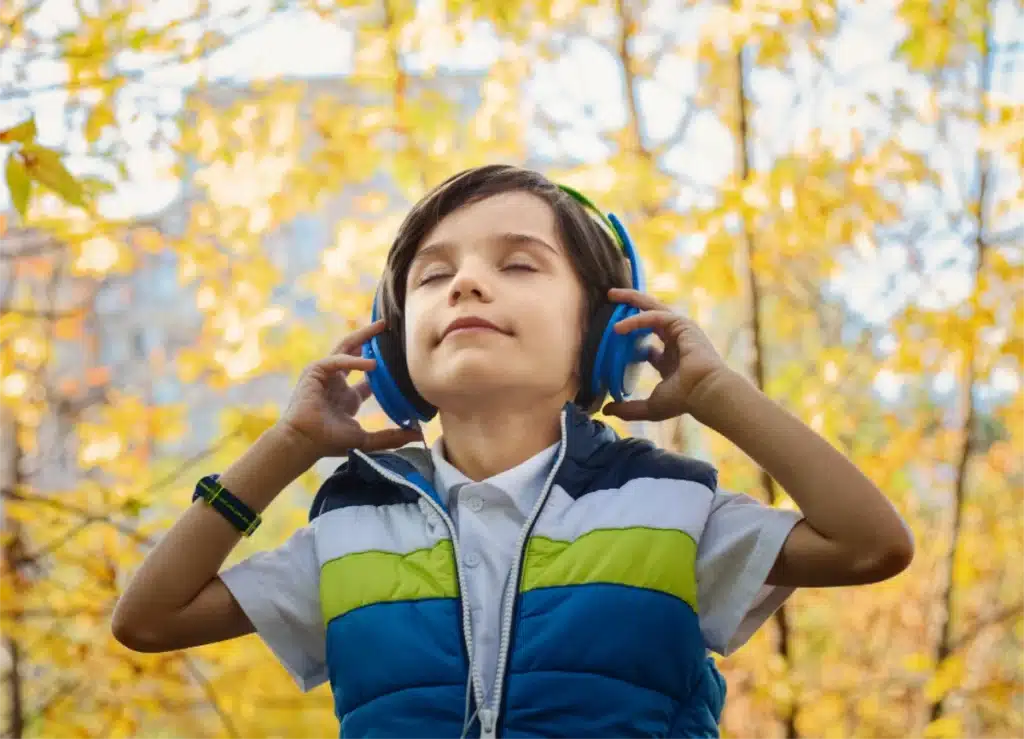
Noise-cancelling headphones have become a popular choice for many, offering relief from noisy environments and an enhanced audio experience. However, as their use grows, audiologists are raising concerns about their potential impact on young people’s auditory health, particularly in relation to Auditory Processing Disorder (APD).
APD occurs when the brain has difficulty processing sounds despite normal hearing ability. Children with APD may struggle to understand speech in noisy environments, making it difficult for them to perform well in school or participate in conversations. Early diagnosis and intervention are key to helping children develop the necessary skills for effective listening and communication.
The Growing Concern: Noise-Cancelling Headphones and APD
Many young people today use noise-cancelling headphones for extended periods, whether for listening to music, gaming, or studying. However, audiologists are noticing an increase in the number of children referred to clinics with hearing concerns. When tested, their hearing appears normal, but they are struggling with auditory processing. This trend has prompted experts to question whether the widespread use of noise-cancelling headphones may be contributing to the rise in APD diagnoses.
At Victorian Hearing, we specialise in APD testing for school-age children, focusing on identifying difficulties in processing sound. If your child struggles with listening skills, or has difficulty hearing in noisy environments like classrooms, APD testing could help pinpoint the problem and guide effective treatment.
How Noise-Cancelling Headphones May Affect Auditory Processing
Noise-cancelling headphones work by blocking out external sounds, which can be incredibly useful in environments with high background noise. However, constant isolation from the surrounding environment may prevent children from being exposed to the everyday sounds that help the brain distinguish and prioritise important sounds, such as speech. This process of learning to differentiate between relevant and irrelevant sounds is crucial for effective listening, especially in busy environments like classrooms.
Children who frequently use noise-cancelling headphones may miss out on valuable opportunities to practice auditory scene analysis, the ability to filter out unnecessary noise and focus on important sounds. This skill continues to develop into a child’s teenage years, and limiting their exposure to environmental sounds could hinder that development.
The Importance of Early Detection and Intervention
APD testing for school-age children is critical because early intervention can significantly improve a child’s ability to process speech and sounds. Identifying APD early ensures that children can receive the support they need to thrive academically and socially.
If you suspect that your child may be struggling with listening skills, our team at Victorian Hearing is here to help. We offer comprehensive APD testing to evaluate how your child processes sound, and based on the results, we can develop a personalised treatment plan that may include speech therapy, classroom accommodations, and specialised listening strategies.
What Can Parents Do?
If you’re concerned about your child’s listening or processing abilities, especially in noisy environments, it’s important to seek help early. Limiting the use of noise-cancelling headphones and encouraging children to engage in activities that require active listening can help support their auditory development. Additionally, opting for headphones that allow some ambient noise to filter through may be a better choice than fully isolating them from their environment.
APD and the Importance of Early Testing
While noise-cancelling headphones can offer relief in noisy environments, their prolonged use—particularly among children—could potentially disrupt the development of essential auditory processing skills. As the use of these devices continues to grow, it is important for parents to be mindful of their potential impact on children’s ability to process speech and sound effectively.
For children who may already be experiencing difficulties with listening or processing sound, APD testing is a valuable tool for early detection. Our team at Victorian Hearing is dedicated to helping children overcome auditory processing challenges, ensuring they receive the support they need to succeed in the classroom and beyond.
Child Hearing Assessments at Victorian Hearing
If you’re concerned about your child’s auditory processing abilities, don’t hesitate to contact us today to schedule an APD assessment. Early intervention is crucial for helping children develop strong listening skills and excel in their education. Victorian Hearing is your local, independent, and Australian owned and operated audiology practice. With ten clinics across Melbourne, you are sure to find a friendly smile and support from the Victorian Hearing team.
Call (03) 9558 8842 or book online.
- BBC News. (2025). Are noise-cancelling headphones to blame for young people’s hearing problems? Retrieved from https://www.bbc.com/news/articles/cgkjvr7x5x6o
- The Times. (2025). Noise-cancelling headphones may cause hearing loss, experts warn. Retrieved from https://www.thetimes.co.uk/article/noise-cancelling-headphones-may-cause-hearing-loss-t3dgv5z8z
- University of Melbourne. (2025). The effects of prolonged noise exposure on auditory processing. Retrieved from https://www.unimelb.edu.au/noise-cancelling-headphones-impact
- >Hearing Link. (2025). Noise-cancelling headphones and their effects on auditory processing. Retrieved from https://www.hearinglink.org/news/noise-cancelling-headphones-impact
- Sandy Hook School of Audiology. (2025). Are noise-cancelling headphones damaging to hearing? Retrieved from https://www.sandyhookacademy.com/noise-cancelling-headphones-impact-hearing